We use cookies to ensure you get the best user experience on our website.Find Out More
Mobile apps, web apps, any platform. One shake, click, or tap gets you video reproductions, network logs, and everything developers need to fix issues fast.
Installation
Bugs
Crashes
Sessions

We are proud to be accepted into NVIDIA Inception, a program designed to support innovative startups building the next generation of AI-powered products. This strengthens our path as we continue expanding Crash AI, analytics intelligence, and smarter debugging workflows for engineering teams.

































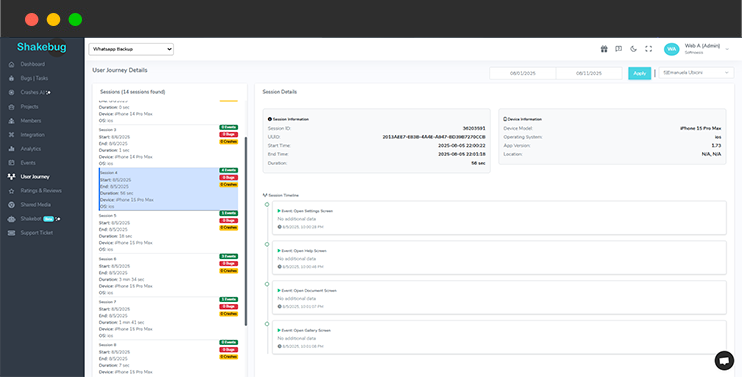
With Shakebug, you see bugs and the complete narrative. Get a clear timeline with our user journey, connecting sessions, events, bug reports, and crash data. See navigation, actions, and exact issue points. Fix issues faster and prioritize work with accurate, actionable insights in the same reporting and monitoring tool.
Wave goodbye to the hassle of sorting through countless identical crash reports. With Crash AI, our platform smartly organizes recurring crashes, presenting just one entry that includes all the essential details like the first occurrence, affected devices, OS versions, and much more.

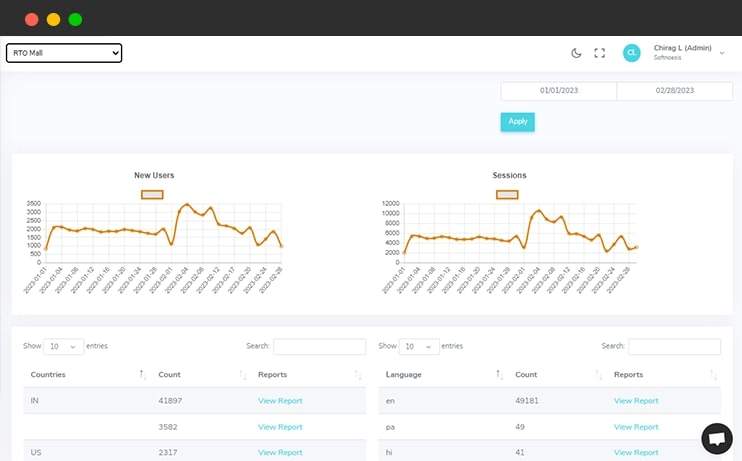
Along with bugs and crash reporting, Shakebug analyzes the application usage in different ways like session, language, countries etc. It also allows users to check analytics in the form of graphical representation over the selection period of time.
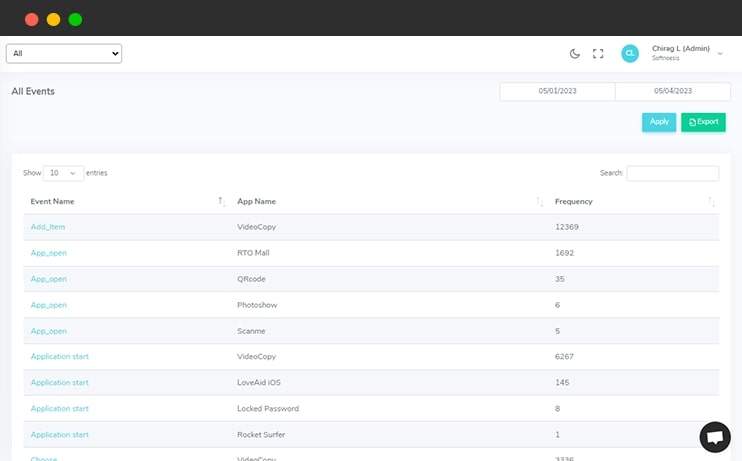
Developers/Users can add custom events and values for each action of the application easily where they want. In addition to this, users can also check the session of each event and value in graphical form as well.
Over 0 events tracked in action.
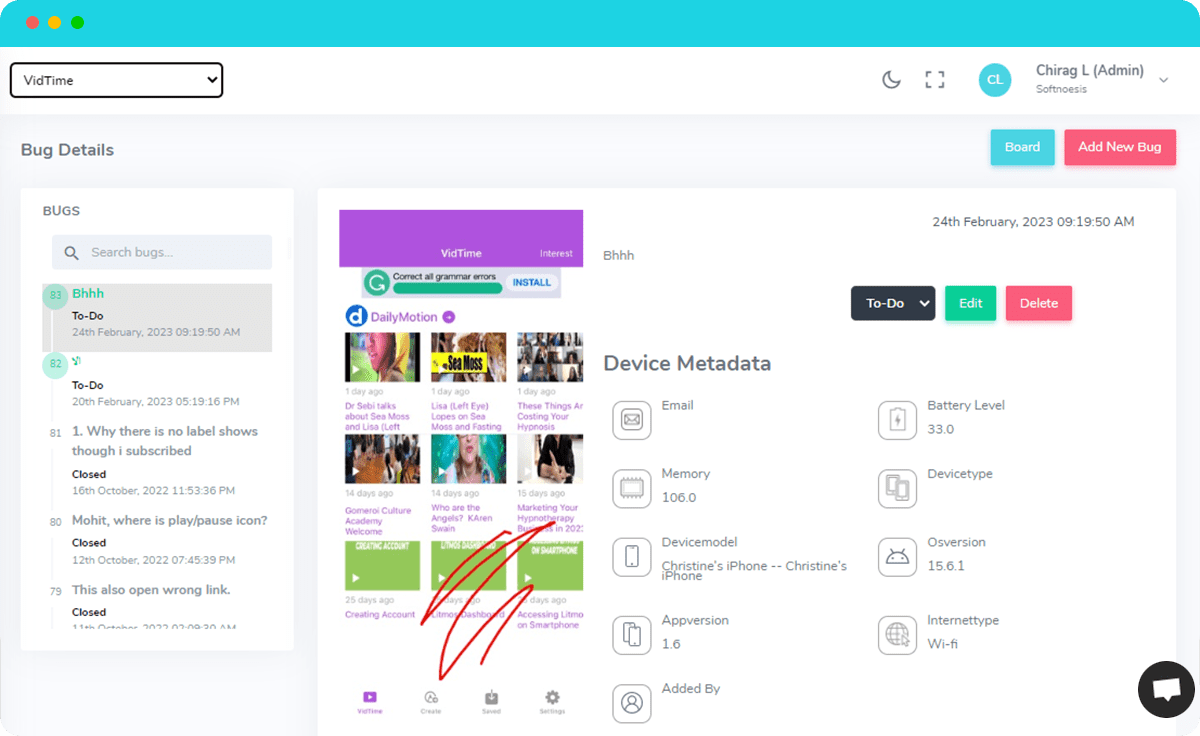
Shakebug helps users to highlight bugs by capturing the screenshot of the screen within a few clicks. This tool minimizes the bug reporting time for your tester and clients.
Shakebug will automatically report the crashes of applications whenever it occurs. Here users don't need to spend time for crash reporting.
The phrase tells a hacker exactly what the user was thinking: "This password is secure because I assert it is." This overconfidence often leads the user to reuse the same password across banking, email, and social media. If one account leaks, all accounts fall.
Open your browser and go to your local Foundever intranet link (usually provided during onboarding). Look for the link labeled MyPasswordFoundEver or "Reset Password." Note: External links often redirect to a secure SSO page; ensure you are on the corporate network or using a company VPN.
Once verified, you will have two options:
Using "MyPasswordFoundEver" is reactive. To be proactive, follow these five security hygiene rules:
The word "ever" implies permanence. Security experts warn that no password should be "forever." Credentials should rotate every 60–90 days. A password designed to last forever is a ticking time bomb.
The user may have received a threatening email claiming "your password was found ever" as a scare tactic. Attackers often include a real (or guessed) old password to create urgency for a ransom or credential harvest.
MyPasswordFoundEver is more than a typo-ridden string; it is a ghost of failed security intuition. If this is your password, change it immediately—not because it has been found (it likely has), but because the philosophy behind it is broken.
Remember: The only password that is never found is the one that changes regularly, is unique per site, and lives inside an encrypted vault. Everything else is just waiting to be discovered. mypasswordfoundever
Have you seen unusual strings like this in your breach alerts? Share your story with our security team.
While "mypasswordfoundever" doesn't appear to be a known technical term or a specific historical event in cybersecurity, it sounds like a perfect prompt for a security research paper or a creative tech essay.
Here are three distinct "paper" concepts based on that title: 1. The Cybersecurity Research Paper
Title: MyPasswordFoundEver: Analyzing the Persistence of Compromised Credentials in Dark Web Ecosystems
The Hook: This paper would explore the "immortality" of leaked passwords. Even after a user changes a password, that specific string (like "mypasswordfoundever") remains in hacker databases forever, being used for "credential stuffing" attacks on other platforms.
Key Focus: How automated bots leverage 10-year-old leaks to breach modern accounts.
Verification: You could reference tools like Have I Been Pwned to discuss how users track these permanent records. 2. The UX & Human Factors Essay The phrase tells a hacker exactly what the
Title: The "FoundEver" Fallacy: Why Users Choose Memorable Sentences Over Random Complexity
The Hook: A deep dive into the psychology of "passphrases" (long sentences like "mypasswordfoundever") versus traditional "passwords" (like "P@ssw0rd1!").
Key Focus: Analyzing if making a password "findable" by the human brain (easy to remember) inherently makes it "findable" by a brute-force dictionary attack.
Resource: You might cite NordPass on the balance between memorability and security. 3. The Digital Privacy Commentary
Title: FoundEver: The Permanent Digital Footprint of Our Private Keys
The Hook: A philosophical look at the fact that once a password is typed into a browser, it is often saved in a "Password Manager" or sync-cloud indefinitely.
Key Focus: The shift from passwords being "temporary keys" to becoming "permanent identity markers" managed by giants like Google or Apple. Suggested Outline (General Template) Have you seen unusual strings like this in
If you are writing this now, here is a quick structure to follow:
Abstract: Define the "FoundEver" phenomenon—the moment a secret becomes permanent public data.
Introduction: The tension between user convenience and cryptographic entropy.
Methodology: How common phrases are harvested from data breaches. Case Study: The lifecycle of a leaked passphrase.
Conclusion: Moving toward passwordless futures (Biometrics/Passkeys).
It looks like you might have a typo in your request ("ever" might be "over" or just a typo for a password manager name).
Assuming you want a feature specification for a security tool called "MyPasswordFoundEver" (or perhaps a feature called "Password Found Where?" for a security app), here is a comprehensive feature draft.
I have interpreted the name as a Password Exposure History feature—essentially a timeline of every time a user's password was compromised.
Foundever utilizes multi-factor authentication (MFA). You will be asked for one of the following:
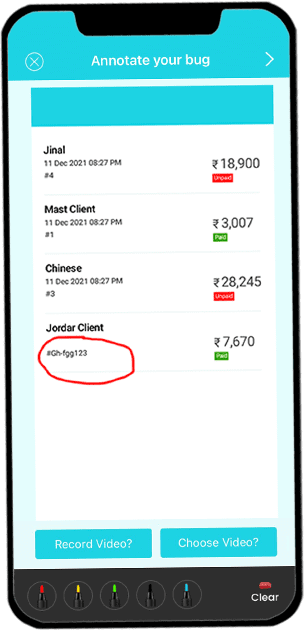
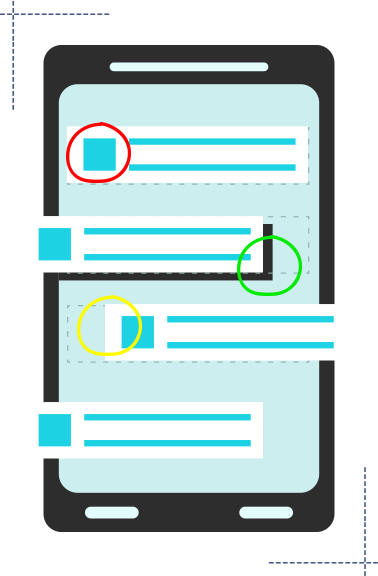
Open your application on your mobile phone and shake it. After that screen will appear where you can highlight the area of the bug.
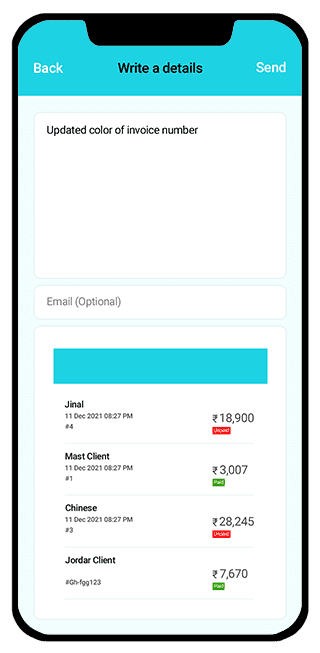
After highlighting the area, a screen will appear where the user can write a bug description which explains the details about bugs or issues.
Once you report the bug, you will get the following screen with bug’s details along with device and OS information to your assigned developers. They can update its status when it is resolved.