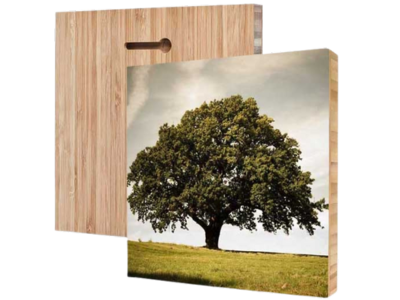
Our award-winning photo lab has developed millions of rolls of film and we still love it!
Say it with a slight bow or nod toward your mother and the food.
"Okaa-san Itadakimasu" has been praised for its unique storyline that deftly handles deep emotional themes with sensitivity. The manga spans several volumes, allowing for a detailed exploration of its characters. The anime adaptation, while condensed, captures the essence of the manga's emotional depth and its quirky blend of fantasy and everyday life.
The series has resonated with audiences for its creative storytelling and for the way it uses the fantastical elements to address very real and relatable human experiences. The food in the series is not just a backdrop but a character in its own right, bringing people together and serving as a metaphor for the characters' emotional journeys.
| Phrase | Meaning | |--------|---------| | Okaa-san, gochisousama | After the meal: "Mother, thank you for the feast" | | Okaa-san, oishii! | "Mother, it’s delicious!" | | Tadaima, okaa-san | "I’m home, mother" (not meal-related) |
For Japanese learners and anime fans, pronunciation matters. Here is a simple guide:
When said together: Okaa-san, itadakimasu — with a slight pause or rising intonation after san, as if addressing her directly.
Why does adding Okaa-san matter psychologically? Research in gratitude studies (Emmons & McCullough, 2003) shows that specific gratitude — directed at a person — has stronger emotional benefits than general thankfulness.
When a child says Okaa-san Itadakimasu:
In Japanese kao (face) culture, saving a mother from feeling unappreciated is a moral act. This phrase is emotional currency.
The story centers on a young boy whose mother passes away. Consumed by an all-encompassing grief and an unhealthy, obsessive attachment to her, he makes a desperate wish: he wants to become his mother. In the twisted logic of the manga’s world, his wish is granted. He is reborn as a woman who looks exactly like his deceased mother, eventually meeting a man who looks identical to his former self—his "son."
What follows is a bizarre domestic life where the protagonist, now the "mother," attempts to fulfill the role of the perfect, doting parent to his former self. The title itself, "Okaa-san Itadakimasu," is a dark play on the traditional Japanese phrase spoken before a meal. Here, it symbolizes the protagonist "consuming" the identity of his mother, attempting to literally ingest and embody her essence.
The phrase assumes a traditional nuclear family with a stay-at-home or primary cooking mother. But Japan today is changing:
The phrase is resilient because it embodies an ideal of maternal care, not a rigid reality. It’s a feeling, not a report.
As the series progresses, the fragile illusion the protagonist has built begins to crack. The central tragedy of "Okaa-san Itadakimasu" is that you cannot erase the past by simply wearing its face. The protagonist’s memories of his previous life bleed into his new one, leading to moments of severe distress and cognitive dissonance.
The narrative asks a chilling question: What happens when the lie becomes too heavy to carry? The protagonist realizes that by trying to become the perfect mother, he has erased his own existence entirely. He is neither the son he was nor the mother he is pretending to be. He is a ghost haunting a domestic space.

Professional photographer and YouTube personality
San Francisco, California
Danni is an avid film photographer and writer from
Sacramento, CA
Avid photographer and YouTube Personality
Chillicothe, Ohio
Say it with a slight bow or nod toward your mother and the food.
"Okaa-san Itadakimasu" has been praised for its unique storyline that deftly handles deep emotional themes with sensitivity. The manga spans several volumes, allowing for a detailed exploration of its characters. The anime adaptation, while condensed, captures the essence of the manga's emotional depth and its quirky blend of fantasy and everyday life.
The series has resonated with audiences for its creative storytelling and for the way it uses the fantastical elements to address very real and relatable human experiences. The food in the series is not just a backdrop but a character in its own right, bringing people together and serving as a metaphor for the characters' emotional journeys.
| Phrase | Meaning | |--------|---------| | Okaa-san, gochisousama | After the meal: "Mother, thank you for the feast" | | Okaa-san, oishii! | "Mother, it’s delicious!" | | Tadaima, okaa-san | "I’m home, mother" (not meal-related) | Okaa-san Itadakimasu
For Japanese learners and anime fans, pronunciation matters. Here is a simple guide:
When said together: Okaa-san, itadakimasu — with a slight pause or rising intonation after san, as if addressing her directly.
Why does adding Okaa-san matter psychologically? Research in gratitude studies (Emmons & McCullough, 2003) shows that specific gratitude — directed at a person — has stronger emotional benefits than general thankfulness. Say it with a slight bow or nod
When a child says Okaa-san Itadakimasu:
In Japanese kao (face) culture, saving a mother from feeling unappreciated is a moral act. This phrase is emotional currency.
The story centers on a young boy whose mother passes away. Consumed by an all-encompassing grief and an unhealthy, obsessive attachment to her, he makes a desperate wish: he wants to become his mother. In the twisted logic of the manga’s world, his wish is granted. He is reborn as a woman who looks exactly like his deceased mother, eventually meeting a man who looks identical to his former self—his "son." Itadakimasu – Ee-tah-dah-kee-mahs
What follows is a bizarre domestic life where the protagonist, now the "mother," attempts to fulfill the role of the perfect, doting parent to his former self. The title itself, "Okaa-san Itadakimasu," is a dark play on the traditional Japanese phrase spoken before a meal. Here, it symbolizes the protagonist "consuming" the identity of his mother, attempting to literally ingest and embody her essence.
The phrase assumes a traditional nuclear family with a stay-at-home or primary cooking mother. But Japan today is changing:
The phrase is resilient because it embodies an ideal of maternal care, not a rigid reality. It’s a feeling, not a report.
As the series progresses, the fragile illusion the protagonist has built begins to crack. The central tragedy of "Okaa-san Itadakimasu" is that you cannot erase the past by simply wearing its face. The protagonist’s memories of his previous life bleed into his new one, leading to moments of severe distress and cognitive dissonance.
The narrative asks a chilling question: What happens when the lie becomes too heavy to carry? The protagonist realizes that by trying to become the perfect mother, he has erased his own existence entirely. He is neither the son he was nor the mother he is pretending to be. He is a ghost haunting a domestic space.














 Gift Cards
 Film Index
 FAQ
FAQ Film Developing
 35mm
35mm 120/220
 Single Use Cameras
 110/126/Advantix
 Sheet Film
 Scan Negs/Slides
 Prints
 Prints from Digital Files
 Enlargements
 Canvas, Metal & More
 Wood Prints
 Desktop Framed Prints
 HD Metal
 Your Account & Albums