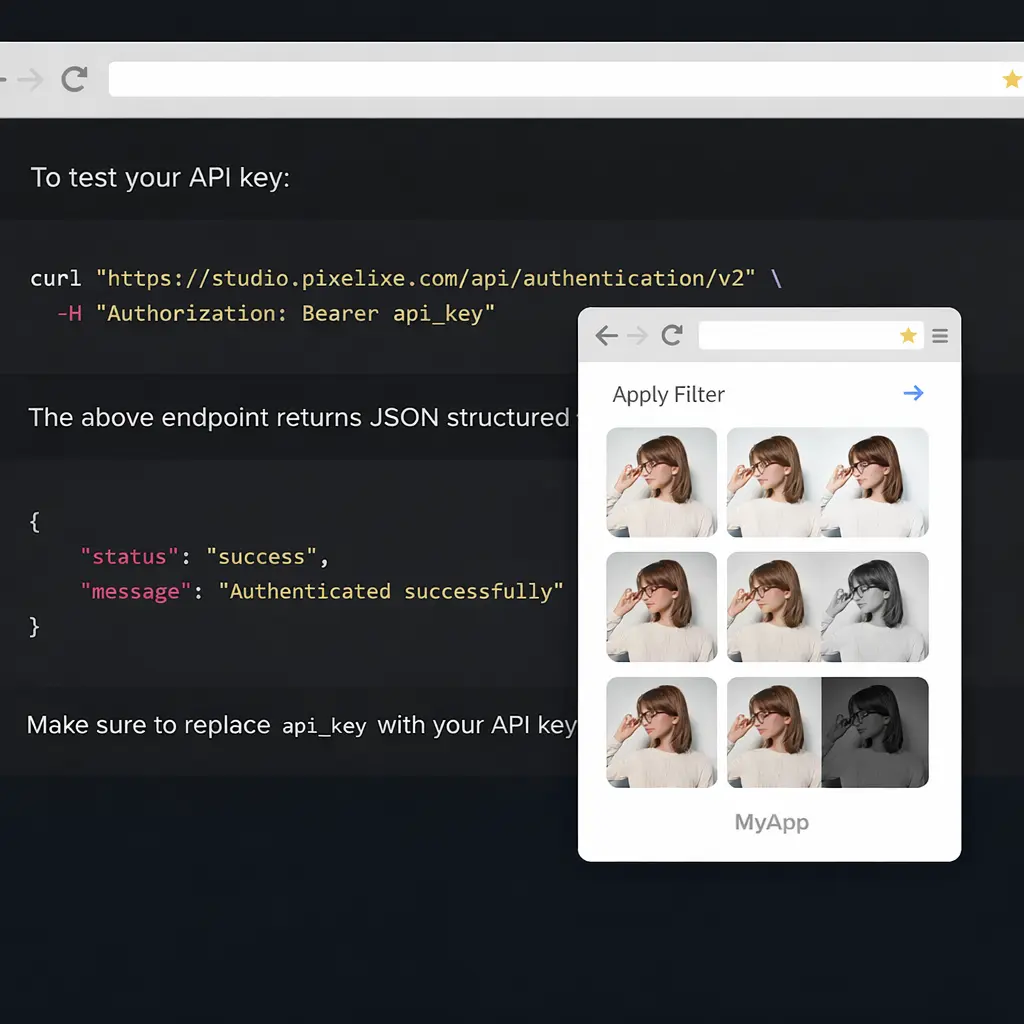
Create YouTube thumbnails in 3 steps
with our online YouTube thumbnail maker
Start with a template, edit the thumbnail, and export it in the correct size.
No account is required to try the workflow.
Why YouTube thumbnails matter
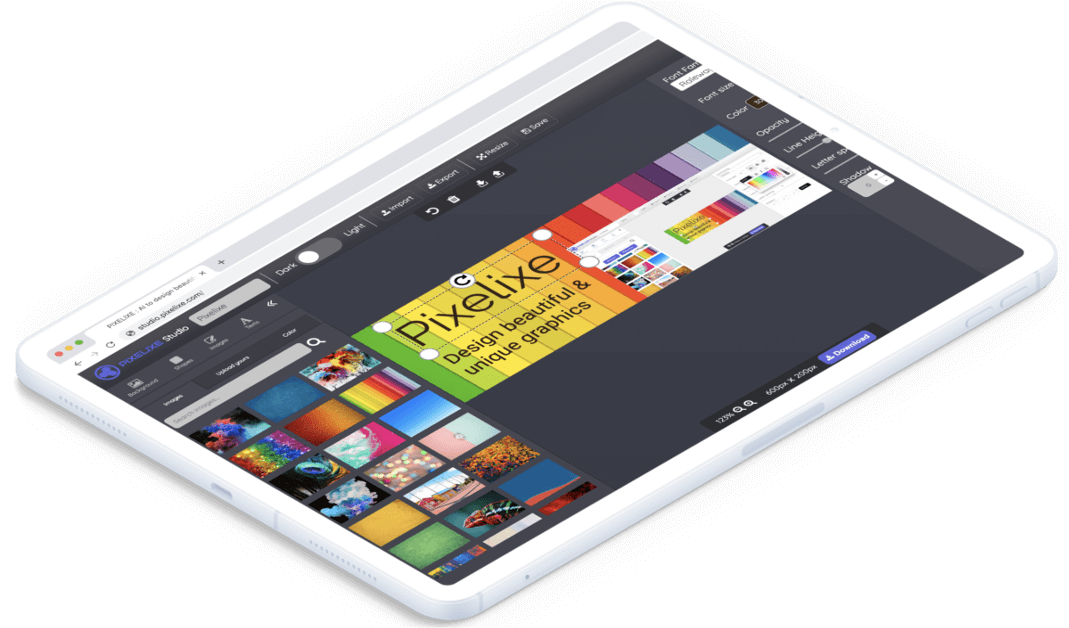
A YouTube thumbnail is often the first thing viewers see before deciding whether to click. Strong thumbnails help channels improve click-through rate, make series look consistent, and communicate the topic of a video instantly on desktop and mobile. Pixelixe helps creators, marketers, educators, and media teams make thumbnails that look sharp, readable, and on-brand.
The goal is not just to design a nice image. The goal is to build a thumbnail system that makes titles easier to scan, faces or products more visible, and each new video faster to publish.
Qinsy Crack May 2026
| Perspective | Key Points |
|-------------|------------|
| Legal | • Distributing or using a crack can expose you to civil lawsuits, criminal penalties, or both.
• Even possessing cracked software may be illegal in some jurisdictions. |
| Ethical | • Software development is a labor‑intensive activity; bypassing payment undermines the creators.
• Using cracked tools can inadvertently introduce malware, compromising personal data and system integrity. |
| Security | • Cracked binaries are rarely vetted; they can be trojanized to exfiltrate data, install ransomware, or create backdoors. |
| Alternatives | • Look for free, open‑source equivalents that provide similar functionality.
• Take advantage of trial versions, student discounts, or subscription models that lower the upfront cost. |
While Qinsy is a powerful tool for hydrographic surveying and bathymetric mapping, using a cracked version of the software is not advisable due to the legal, security, and ethical risks involved. Professionals in the field are encouraged to opt for legitimate software solutions to ensure the integrity of their work and compliance with legal standards.
Creating or using "cracks" for professional hydrographic software like Qinsy poses significant risks, including legal consequences, system instability, and the potential for malware.
Instead of a guide on bypassing licensing, this guide focuses on how to legitimately access, set up, and master QPS Qinsy using official resources and training. 1. Legitimate Access and Evaluation
Before looking for unauthorized versions, explore the official ways to use the software:
Request a Demo/Trial: QPS offers trial licenses for evaluation purposes. You can contact QPS sales or support to request a temporary license to test the software's capabilities on your project.
Educational Licenses: If you are a student or researcher, ask your institution about educational partnerships with QPS. Many universities have access to professional survey software for training. 2. Deep Setup & Configuration Guide Qinsy Crack
Once you have access, a "deep guide" to mastering Qinsy involves setting up the environment correctly.
Database Setup: Qinsy 9 uses a project-based geodetic system where geodetics are stored within the project itself.
Use the Qinsy Setup Guide for step-by-step instructions on creating template databases.
Configure your Coordinate System early; Qinsy handles complex transformations in real-time.
Sensor Interfacing: Accurate data depends on the correct driver configuration.
Consult the QINSy Drivers and Interfacing Manual for specific hardware like GPS/GNSS, motion sensors, and echo sounders. | Perspective | Key Points | |-------------|------------| |
Ensure all standard deviations for motion data and offsets are entered during the online setup phase. 3. Data Processing Workflow
Acquisition: Qinsy supports multi-object and multi-sensor workflows, allowing you to track several objects and sensors (multibeam, laser, seismic) simultaneously.
Real-time QA/QC: Use the online tools to monitor data quality during acquisition to prevent "gaps" in your bathymetry.
Processing: For deep processing, integrate with Qimera. You can import Qinsy .db files directly into Qimera to create .qpd files for advanced cleaning and gridding. 4. Official Learning Resources
To truly "crack" the learning curve of this complex software, utilize these official training paths:
Knowledge Base: Access the QPS Support Knowledge Base for quick-start guides on Database Setup, Online Operations, and Replay. While Qinsy is a powerful tool for hydrographic
Video Tutorials: The QPS YouTube Channel provides visual walkthroughs for database setup and mission planning.
Professional Training: QPS offers formal training courses covering vessel calibration, survey trials, and data processing. Qimera MBES Processing Guide | PDF | Computer File - Scribd
Qinsy Crack – A Brief, Context‑Driven Overview
Note: This write‑up is intended purely as a historical and informational snapshot. It does not contain any instructions, code snippets, or guidance on how to obtain, use, or develop cracking tools. The purpose is to shed light on the phenomenon from a technical‑cultural perspective while underscoring the legal and ethical dimensions of software cracking.
The story of a “Qinsy Crack” is emblematic of a broader subculture that thrives on the tension between access and control. Communities that share cracks often develop their own folklore—pseudonyms, “release notes” that brag about bypassed protections, and even rivalries over who can produce the most elegant patch. This culture mirrors other hacker sub‑communities, where the act of cracking becomes a badge of technical prowess, irrespective of the legal ramifications.
A "Qinsy Crack" refers to an unauthorized version of the Qinsy software that has been modified to bypass licensing restrictions. This cracked version is often distributed illegally and can be found on various websites and forums. However, using such software comes with significant risks and drawbacks.
What is the ideal YouTube thumbnail size?
Optimize your YouTube thumbnails with these dimensions: 1280 pixels wide by 720 pixels tall, with a minimum width of 640 pixels. A ratio of 16:9 is ideal because it matches the way YouTube thumbnails are displayed across the platform.
Pixelixe includes this size as a preset in the graphic design tool, so you can start with the correct canvas immediately and avoid creating a thumbnail at the wrong ratio.
This is useful for creators, agencies, podcasters, educators, course creators, and media teams that publish new YouTube content regularly and want a repeatable thumbnail workflow.
Other useful resources