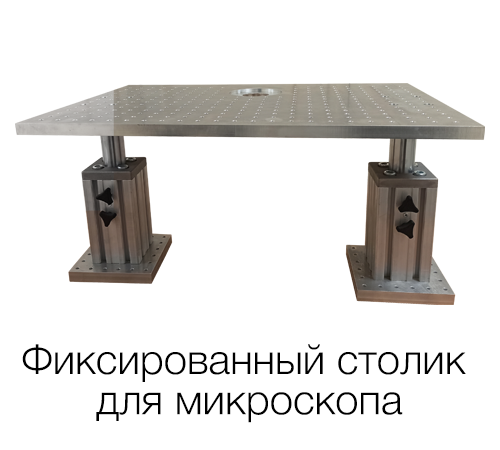
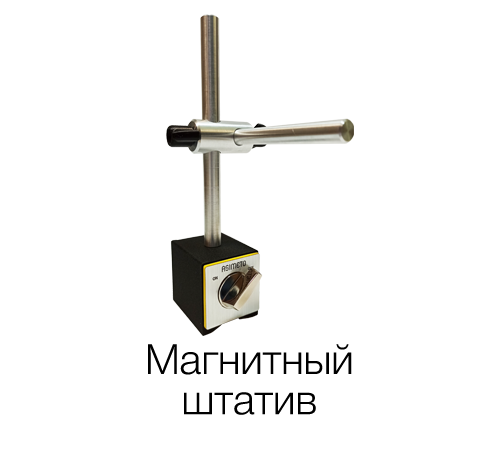
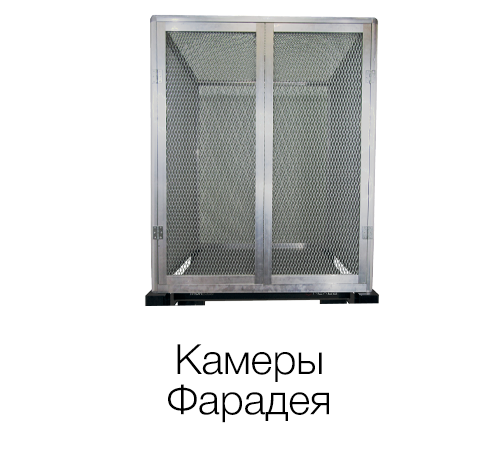
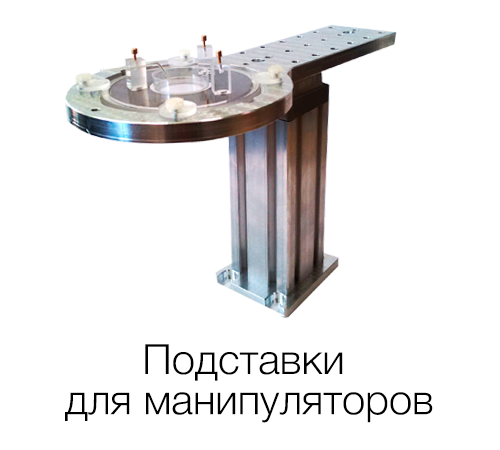
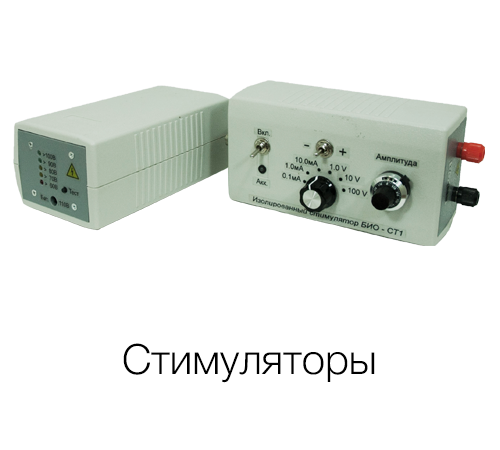
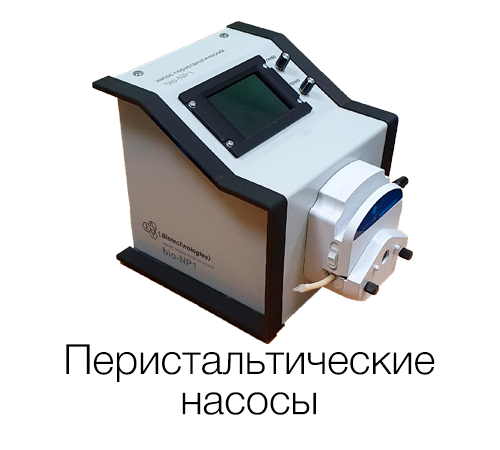
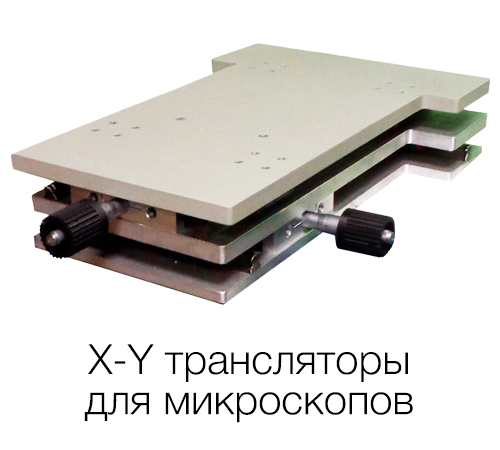
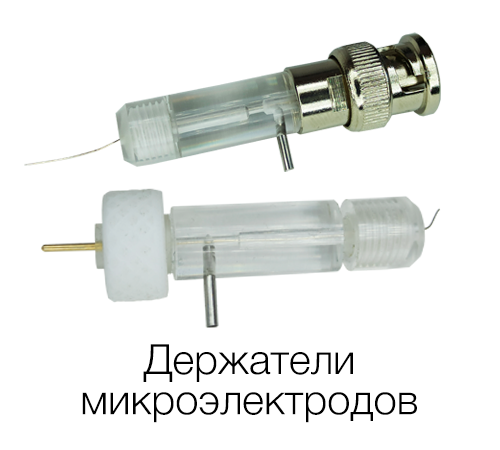
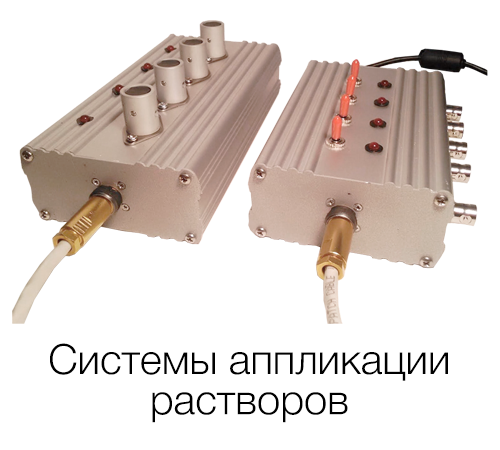
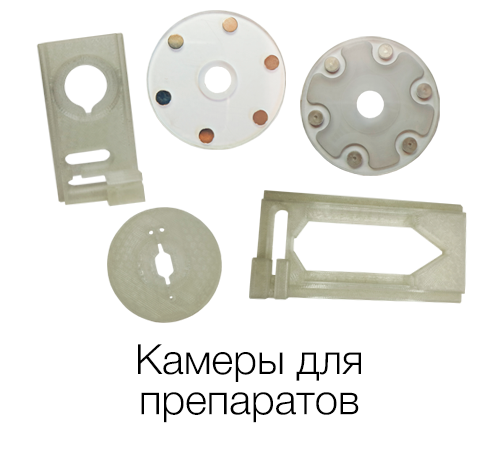
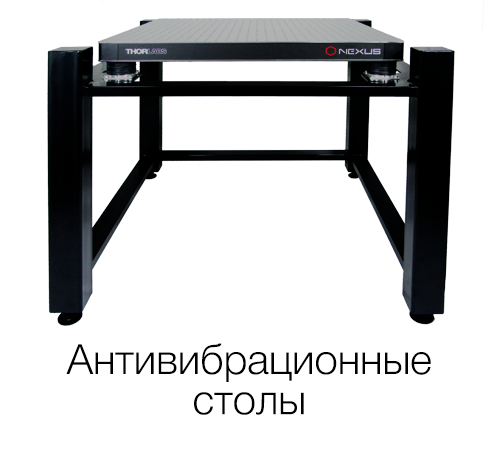
Товары собственного производства
 конкурентные цены
высокое качество
индивидуальный подход
Most W1700K clones have a built-in bootloader (U-Boot) with a recovery mode.
Flashing a router can brick it if done incorrectly. Do not skip this section.
In the crowded market of consumer routers, the W1700K (often sold under various OEM brands like Cudy, Zyxel, or generic MediaTek-based models) is a diamond in the rough. Priced as an entry-to-mid-level AX3000 (or similar class) device, it boasts respectable hardware: a dual-core ARM Cortex-A53 CPU, 256MB of RAM, and a MediaTek MT7981B chipset.
However, like most stock routers, the factory firmware is plagued with limitations: sluggish UI, lack of advanced QoS (Quality of Service), poor VPN performance, and questionable privacy practices.
Enter OpenWrt – the open-source, Linux-based operating system that transforms consumer hardware into enterprise-grade networking gear. Flashing OpenWrt on your W1700K is not just an upgrade; it is a liberation.
This article will serve as your complete blueprint. We will cover hardware compatibility, the step-by-step flashing process, post-installation tuning for the MediaTek chipset, and advanced packages that make the W1700K outperform routers three times its price.
You have a router with only 1700 KB of available flash for firmware. A stock OpenWrt image is often 4–6 MB. To fit, you must build a custom, stripped-down image using the Image Builder, removing all non-essentials: no Luci (web UI), no IPv6, no firewall, no USB, no Wi-Fi encryption overhead. Just a lean, mean bridging/routing machine.
The Gemtek W1700K (Quantum Fiber WiFi 7 Pod) is a high-performance tri-band router featuring an Airoha AN7581 SoC, 2GB of RAM, and 512MB of flash. While powerful, the stock firmware is highly restricted, making OpenWrt a popular choice for unlocking its full potential.
Warning: This process requires opening the device, using a serial console, and modifying bootloader variables. It is intended for advanced users and will void your warranty. Prerequisites
Hardware: A USB-to-TTL Serial Adapter (3.3V) and a Torx T10 screwdriver.
Software: A TFTP server (like tftpd64) and a terminal emulator (PuTTY or Screen).
Files: You need the initramfs-uImage.itb and the sysupgrade.itb files. Recent community builds are often hosted on GitHub or the OpenWrt Forum. Step 1: Serial Console Access
Open the case: Remove the Torx T10 screw hidden under the QR code on the label. Use a pry tool to separate the white and gray plastic.
Connect UART: Locate the 5-pin header. From left to right (starting near the screw hole): Pin 1: TX (Connect to RX on adapter) Pin 2: GND (Connect to GND)
Pin 3: VCC 3.3V (DO NOT CONNECT – this can damage your adapter or router) Pin 4: N/A Pin 5: RX (Connect to TX on adapter).
Terminal Settings: Set your serial software to 115200 baud, 8N1. Step 2: Backup Stock Firmware (Recommended)
Before making changes, it is highly recommended to back up your original partitions.
Power on the router and press f then Enter when prompted for failsafe mode. Run mount_root and change the password with passwd.
Modify /etc/config/axon_platform_manager to enable SSH by setting sshServerEnable, localAccessEnable, and remoteAccessEnable to 1.
Reboot, SSH into the device, and use dd to save all /dev/mtdX partitions to your computer. Step 3: Modify Bootloader Variables You must instruct U-Boot to allow unsigned images. w1700k openwrt
Interrupt the boot process by pressing any key when "Hit any key to stop autoboot" appears. Enter the following commands exactly:
setenv bootflag 0 setenv one "flash read 0x600000 0x1000000 $loadaddr" setenv two "; bootm" setenv bootcmd "$one$two" setenv one setenv two saveenv Use code with caution. Copied to clipboard
Note: This allows booting from flash using a manual address rather than the signed vendor command. Step 4: Load OpenWrt via TFTP Set your computer's static IP to 192.168.0.205.
Place the openwrt-...-initramfs-uImage.itb file in your TFTP server folder. In the U-Boot console, run:
tftpboot 0x89000000 Use code with caution. Copied to clipboard
Note: The Ethernet driver can be flaky during this stage; you may need to try the tftpboot command several times if packets are dropped. Step 5: Permanent Installation
Once the router boots into the OpenWrt "Live" environment (RAM): Access the LuCI web interface at 192.168.1.1. Navigate to System -> Backup / Flash Firmware.
Upload the sysupgrade.itb file to write OpenWrt permanently to the flash memory. Current Known Issues LEDs: May stay red or not function correctly.
10G Ports: Driver support is still evolving; they may require specific kernel patches to work as intended.
Fan Control: The fan typically runs at a constant speed and is not yet dynamically controlled in most builds. Quantum Fiber W1700k support - For Developers
The Quantum Fiber W1700K (also known as the Gemtek MXF-W1700K) is a high-performance WiFi 7 gateway that has gained significant attention in the OpenWrt community due to its impressive hardware and the limitations of its stock firmware. While the device technically runs a customized version of OpenWrt 21.02.1 out of the box, it is heavily locked down by the vendor, making it nearly "unmanageable" for advanced users without a custom installation. Hardware Specifications
The W1700K is built on a robust platform suitable for high-speed networking: Processor: Quad-core 1.3 GHz CA53 ARM processor. Memory: 2 GB DDR4 RAM. Storage: 512 MB SPI NAND Flash. Connectivity: 2x 10 Gbe ports and 2x 1 Gbe LAN ports.
Tri-band WiFi 7: Supports 2.4 GHz, 5 GHz, and 6 GHz bands with high-speed throughput (up to 5.76 Gbps on 5GHz and 10 Gbps on 6GHz). The Benefits of OpenWrt Installation
Users typically seek to flash a "vanilla" or community-maintained version of OpenWrt to unlock the following:
Full Customization: Ability to install thousands of packages for features like ad-blocking, VPNs, and advanced traffic monitoring.
VLAN Tagging: Essential for users who want to use the device in bridge mode with specific ISP requirements.
Improved Performance: Some users report better latency (6-7 ms) and consistent gigabit speeds over WiFi after switching. Installation Challenges
Flashing the W1700K is not for beginners and usually requires physical modification:
Physical Access: You must open the device (requiring a Torx T10 screwdriver) to access the TTL serial console pins. Most W1700K clones have a built-in bootloader (U-Boot)
Serial Connection: Connection requires a USB-to-TTL RS232 cable. The pins follow a TX - GND - VCC - N/A - RX layout.
Bootloader Modification: The stock partition layout is often restructured to UBI to make better use of the 512 MB flash space.
Firmware State: While support is advancing, some users still report issues like 10G ports not activating after reboot or specific WiFi stability bugs in certain builds. Summary Table: Stock vs. OpenWrt OpenWRT on the Q1700K working well : r/QuantumFiber
The "story" of the Gemtek W1700K (distributed as the Quantum Fiber WiFi 7 Pod) is a journey from a locked-down, service-provider-controlled device to a high-performance, community-liberated powerhouse.
1. The Starting Point: Powerful Hardware, "Useless" Software
The W1700K launched as a cutting-edge WiFi 7 access point provided by Quantum Fiber (Lumen/CenturyLink). While the hardware was top-tier for its time, the user experience was severely restricted:
Locked Down: Users could not configure basic settings like guest networks, port forwarding, or band separation without using a mandatory mobile app.
Software "Mess": Technicians often spent hours trying to get the stock software to function, and users reported significant issues with privacy, security, and even basic connectivity for devices like the PS5.
Elite Specs: Despite the software flaws, the hardware was irresistible to enthusiasts, featuring an Airoha AN7581 quad-core processor, 2GB of DDR4 RAM, 512MB of Flash, dual 10GbE ports, and BE19000 tri-band WiFi 7 capabilities. 2. The Breakthrough: Serial Access and Rooting
Enthusiasts quickly realized that the device actually ran a heavily customized version of OpenWrt under the hood. This sparked a race to "liberate" the hardware:
Finding the UART: Developers discovered hidden TTL serial pins on the board (TX-GND-3.3V-N/A-RX).
Gaining Root: By interrupting the bootloader and entering failsafe mode, users were able to set a new root password and enable SSH access, bypassing the restrictive "Quantum" interface. 3. The Current Chapter: OpenWrt Liberation
As of early 2026, the W1700K has become a favorite target for the OpenWrt community.
Full Support: Active development on the OpenWrt GitHub has added support for the W1700K to the Airoha target.
Custom Builds: Projects like "Lumos" and various community builds (e.g., from OpenWRT-fanboy) provide optimized firmware that enables the 6GHz radio and works toward full 10GbE driver stability.
The Result: Flashing OpenWrt transforms a "pretty useless" ISP pod into a high-performance, multi-gigabit router capable of nearly 1Gbps speeds over WiFi everywhere in a home with significantly improved latency. Summary of Specs Specification CPU Airoha AN7581 (1.3 GHz Quad-Core ARM) RAM Flash 512 MB Winbond SPI NAND Ethernet 2x 10GbE (RTL8261N), 2x 1GbE (Integrated) WiFi Tri-band WiFi 7 (2.4GHz, 5GHz, 6GHz) Bonus Built-in Zigbee/Bluetooth (EFR32MG21) Quantum Fiber W1700k support - Page 69 - For Developers
The Gemtek MXF-W1700K (distributed by Quantum Fiber as the W1700K) is a high-performance Wi-Fi 7 router that has gained significant attention in the OpenWrt community. While the stock firmware is often locked and difficult to manage, its hardware makes it an exceptional candidate for a custom OpenWrt installation. Hardware Specifications
The W1700K features powerful networking hardware typically found in much more expensive enterprise gear:
Processor: Airoha AN7581 (a subsidiary of MediaTek), which is natively supported by newer OpenWrt kernels. Memory: 2 GB of RAM. Storage: 512 MB NAND Flash. The Gemtek W1700K (Quantum Fiber WiFi 7 Pod)
Ethernet Ports: 2x 10GbE (1 WAN, 1 LAN) and 2x 1GbE LAN ports.
Wireless: Tri-band Wi-Fi 7 (BE19000 class) supporting 2.4 GHz, 5 GHz, and 6 GHz bands.
IoT Support: Includes a built-in Zigbee microcontroller (EFR32MG21). OpenWrt Support Status
As of April 2026, the W1700K is flashable but requires technical effort: Quantum Fiber W1700K teardown, board view, and UART pins
My thoughts on Quantum Fiber W1700K ... There is 512 MB of storage, 2 GB of RAM, 2x 10 Gbe and 2x 1 Gbe LAN ports, beefy heatsink, hungvu.tech airoha: add support for Gemtek W1700K #22543 - GitHub
The Gemtek W1700K is a device based on the Airoha chipset that has recently seen development activity for OpenWrt support. Support for this hardware is primarily being tracked through automated builds and pull requests within the OpenWrt GitHub repository. Current Status and Technical Details
Target Subtarget: Development is focused on the airoha target.
Ongoing Activity: As of March 2026, multiple build actions have been initiated to integrate and test support for this specific Gemtek model.
Development Tracks: You can track the progress of these updates through various GitHub Actions runs, such as Action #32686 and Action #37801, which show efforts to build kernels and check patches for the device.
Since this support appears to be in the "Pull Request" or "Experimental" phase, it may not yet be available in the main stable releases. Users looking to test this would typically need to build from source using the specific patches identified in these development branches. airoha: add support for Gemtek W1700K #18441 - GitHub
Serial console (115200 baud, 8N1) or SSH (if dropbear fit). Login: root / (no password initially).
Check space:
df -h /overlay
# Should show ~50-100KB free
Set LAN IP (example):
uci set network.lan.ipaddr='192.168.2.1'
uci commit network
/etc/init.d/network restart
Add a minimal DHCP server (if room for dnsmasq):
opkg --force-depends install dnsmasq
# Else static IPs only
Before downloading any firmware, you must verify your specific hardware revision. The "W1700K" is a reference design primarily based on the MediaTek Filogic 820 platform (MT7981B).
Specifications:
Warning: There is a cheaper variant using a Realtek chipset. OpenWrt does not fully support Realtek WiFi drivers. You need the MediaTek MT7981 version.
The WRT1700ACS is essentially a WRT1900ACS without the eSATA port. Under the hood, it features a Marvell Armada 385 dual-core CPU running at 1.6GHz. This provides ample processing power for routing, VPN encryption, and SQM (Smart Queue Management) without breaking a sweat.